
call us now
+919650494009
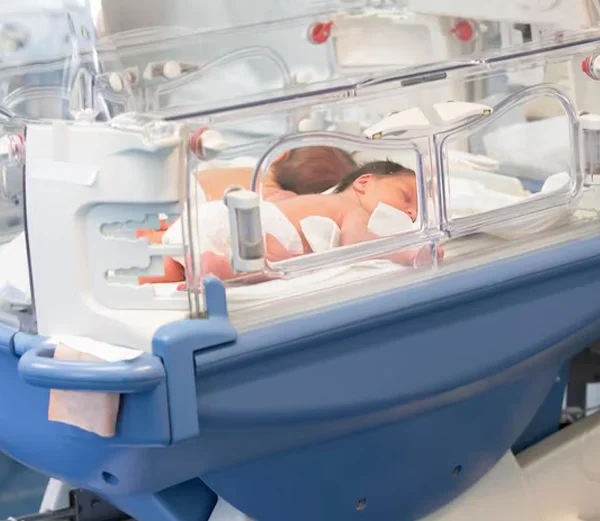
Neonatal Ventilation
Dr. Anil Batra is widely regarded as one of the best Neonatal Ventilation specialists in Faridabad, offering advanced respiratory care for newborns in critical conditions. With over 16 years of experience in neonatology, Dr. Batra specializes in managing complex breathing difficulties in premature and high-risk infants using state-of-the-art ventilation techniques.
At his practice, neonatal ventilation is delivered with precision, compassion, and continuous monitoring to ensure the best possible outcomes for newborns requiring respiratory support.
What is Neonatal Ventilation?
Neonatal ventilation is a life-saving medical intervention used to support or replace a newborn baby’s breathing when they are unable to breathe effectively on their own. It involves the use of specialized machines called ventilators that deliver oxygen to the lungs and help maintain proper breathing patterns.
Depending on the baby’s condition, different types of ventilation may be used, including non-invasive support (like CPAP) or invasive mechanical ventilation through a breathing tube. Advanced modes such as high-frequency ventilation may also be used for critically ill newborns.
Why is Neonatal Ventilation Necessary?
Neonatal ventilation becomes necessary when a newborn experiences respiratory distress or failure due to various medical conditions. Premature babies, in particular, often have underdeveloped lungs that require external support.
Common reasons include:
- Respiratory Distress Syndrome (RDS)
- Birth asphyxia (lack of oxygen at birth)
- Infections such as neonatal pneumonia or sepsis
- Meconium aspiration syndrome
- Congenital lung or airway abnormalities
Timely ventilation support can be crucial in stabilizing the baby and preventing complications, including long-term organ damage.
Importance & Benefits of Neonatal Ventilation
Neonatal ventilation plays a vital role in saving lives and improving outcomes for newborns in critical care. Key benefits include:
- Life-Saving Support: Provides immediate breathing assistance to critically ill newborns
- Improved Oxygen Delivery: Ensures adequate oxygen reaches vital organs like the brain and heart
- Prevention of Complications: Reduces the risk of long-term damage caused by oxygen deprivation
- Customized Care: Advanced ventilators allow precise control tailored to each baby’s needs
- Supports Recovery: Gives the lungs time to mature and heal while maintaining stable breathing
With proper monitoring and expert management, neonatal ventilation significantly increases survival rates and supports healthy development.
Why Choose Dr. Anil Batra for Neonatal Ventilation?
Dr. Anil Batra is a trusted name in neonatal intensive care, particularly in the field of neonatal ventilation. Here’s why parents and families rely on his expertise:
- Extensive Experience: Over 16 years of hands-on experience in managing complex neonatal cases
- Advanced Expertise: Specialized training in neonatal ventilation, including high-frequency ventilation
- NICU Leadership: Instrumental in establishing and managing advanced NICUs in Delhi NCR
- Evidence-Based Care: Uses the latest protocols and technology for safe and effective treatment
- Compassionate Approach: Focuses on family-centered care with clear communication and support
- Academic Excellence: National faculty and trainer in neonatal resuscitation and newborn care programs
Frequently Asked Questions (FAQs)
1. Is neonatal ventilation safe for newborns?
Yes, neonatal ventilation is a safe and essential life-support technique when performed by trained specialists. Modern ventilators are highly advanced and allow precise control, minimizing risks while supporting the baby’s breathing effectively.
2. How long does a baby need ventilation support?
The duration varies depending on the baby’s condition. Some newborns may require support for a few hours or days, while premature or critically ill babies may need longer care under close monitoring.
3. Can a baby recover completely after ventilation?
Many babies recover fully with timely and appropriate ventilation support. Early intervention and expert care significantly improve outcomes and reduce the risk of long-term complications.
4. What are the risks of neonatal ventilation?
While generally safe, there can be minor risks such as lung injury or infection if used for prolonged periods. However, under expert supervision, these risks are carefully managed and minimized.
5. When should parents seek neonatal ventilation support?
Neonatal ventilation is usually initiated in a hospital setting immediately after birth if the baby shows signs of breathing difficulty. Early medical attention is critical for the best outcomes.
- Category: Neonatal Ventilation


Leave your comment