
call us now
+919650494009
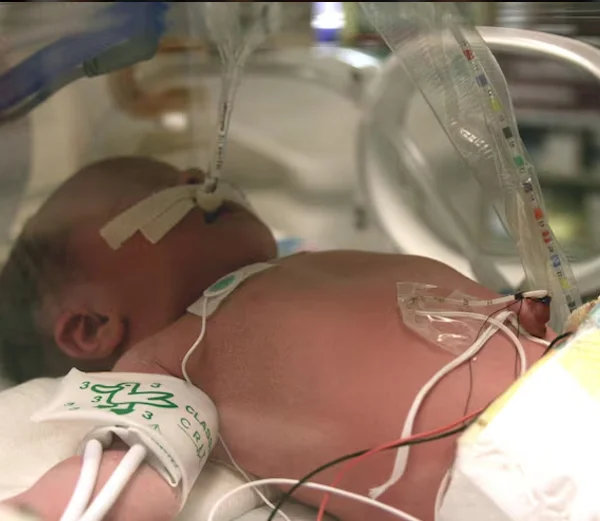
High Frequency Ventilation
Dr. Anil Batra is recognized as one of the best High-Frequency Ventilation specialists in Faridabad, providing advanced respiratory support for critically ill and premature newborns. With over 16 years of experience in neonatology, Dr. Batra has extensive expertise in managing complex lung conditions using specialized ventilation techniques.
High-Frequency Ventilation is offered in a fully equipped NICU setup under his expert supervision, ensuring precise care, continuous monitoring, and improved outcomes for newborns with severe respiratory distress.
What is High-Frequency Ventilation?
High-Frequency Ventilation (HFV) is an advanced form of mechanical ventilation used in newborns who do not respond well to conventional ventilation. It delivers very rapid, small breaths (up to several hundred breaths per minute) to the lungs.
Unlike traditional ventilation, HFV uses tiny volumes of air at high speeds, which helps maintain stable lung function while minimizing lung injury. This technique is especially useful for fragile and premature lungs.
Why is High-Frequency Ventilation Necessary?
HFV is used when standard ventilation methods are not sufficient to support a newborn’s breathing. It is often required in severe or complicated respiratory conditions.
Common indications include:
- Severe Respiratory Distress Syndrome (RDS)
- Persistent Pulmonary Hypertension of the Newborn (PPHN)
- Air leak syndromes (such as pneumothorax)
- Meconium aspiration syndrome
- Failure of conventional ventilation
HFV provides effective oxygenation while reducing the risk of further lung damage in delicate newborn lungs.
Importance & Benefits of High-Frequency Ventilation
High-Frequency Ventilation is a critical advancement in neonatal respiratory care. Key benefits include:
- Gentle on the Lungs: Reduces risk of lung injury compared to conventional ventilation
- Improved Oxygenation: Enhances oxygen delivery in severe respiratory conditions
- Better Carbon Dioxide Removal: Helps maintain proper gas exchange
- Stabilizes Fragile Lungs: Ideal for premature and critically ill newborns
- Reduces Complications: Lowers the risk of ventilator-induced lung damage
- Advanced Life Support: Used in complex cases where other methods fail
Why Choose Dr. Anil Batra for High-Frequency Ventilation?
Dr. Anil Batra is a highly experienced neonatologist with specialized expertise in advanced ventilation techniques. Here’s why he is a preferred choice:
- 16+ Years of Experience in neonatal intensive care
- Expert in Advanced Ventilation Techniques, including HFV
- State-of-the-Art NICU Facilities with modern ventilators
- Evidence-Based Approach for safe and effective treatment
- Close Monitoring & Precision Care for critically ill newborns
- Trusted by Families for compassionate and transparent care
Frequently Asked Questions (FAQs)
1. Is High-Frequency Ventilation safe for newborns?
Yes, HFV is a safe and advanced ventilation technique when used by experienced specialists. It is specifically designed to reduce lung injury while providing effective respiratory support.
2. How is HFV different from regular ventilation?
HFV delivers very rapid and small breaths compared to normal ventilation, which uses slower and larger breaths. This helps protect delicate newborn lungs.
3. When is HFV recommended?
HFV is recommended when a baby does not respond well to conventional ventilation or has severe respiratory conditions requiring advanced support.
4. How long does a baby stay on HFV?
The duration depends on the baby’s condition and response to treatment. It may range from a few hours to several days under continuous monitoring.
5. Can a baby recover completely after HFV?
Many babies recover well with timely and proper use of HFV. Early intervention and expert care significantly improve outcomes.
- Category: High Frequency Ventilation


Leave your comment